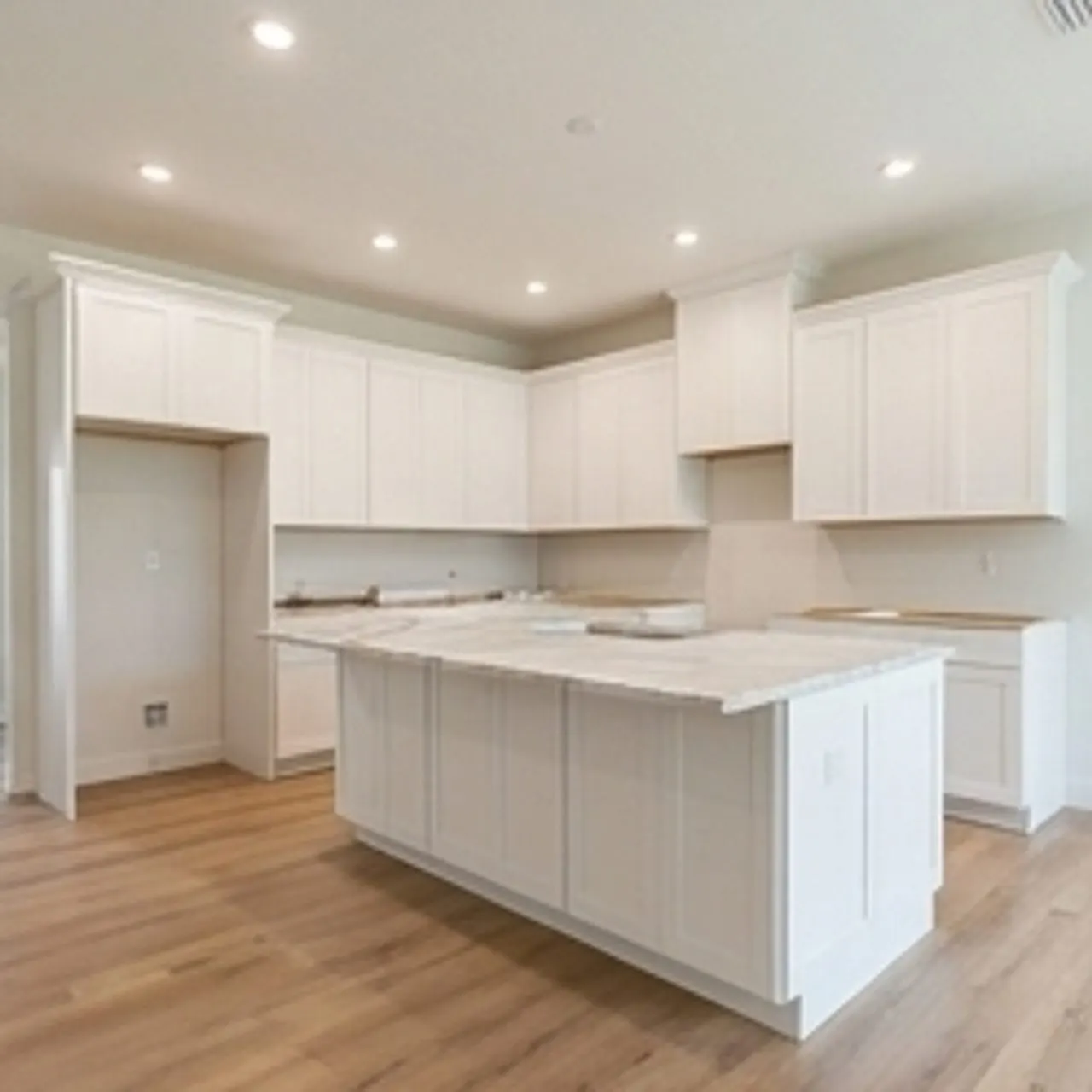
A kitchen remodel is the project most Miami homeowners plan for longest and worry about most. This guide walks through what actually happens, in the order it happens, so you can plan your budget and your time without surprises. When you are ready to talk about your own kitchen, see our kitchen remodeling service.
1. Decide the scope first
Most kitchen projects fall into one of three levels:
- Refresh: new countertops, a new backsplash, sink and faucet, paint and lighting. Cabinets and layout stay.
- Full remodel, same layout: new cabinets, counters, backsplash, flooring and appliances, with the sink, range and refrigerator staying roughly where they are.
- Layout change: moving the sink or range, adding an island, or removing a wall to open the kitchen to the living area.
The jump from the second level to the third is where cost and time grow the most, because moving plumbing, gas or electrical, or touching a wall that may be load-bearing, brings in more trades, more inspections and sometimes an engineer.
2. Permits in Miami depend on your city
Miami-Dade has many separate municipalities, and each one runs its own building department. A home in the City of Miami, Coral Gables, Hialeah, Doral, Miami Beach or North Miami pulls permits from that city. Homes in unincorporated areas, such as much of Kendall, go through Miami-Dade County.
As a general rule, replacing counters and cabinets in place is cosmetic, while new circuits, moved plumbing, gas work and wall changes need a permit and inspections. Condo buildings add their own approval on top of the city permit. We confirm the right office for your address and prepare the paperwork. See our local pages for Coral Gables, Hialeah, Doral and Kendall.
3. A realistic timeline
The work on site is only part of the schedule:
- Design and selections: choosing cabinets, counters, tile, fixtures and appliances. This goes faster when you decide early.
- Ordering: custom or semi-custom cabinets and some appliances take weeks to arrive. We prefer to start demolition only when the key items are confirmed.
- Permits: review times vary by city and by how complex the project is.
- Construction: demolition, rough plumbing and electrical, inspections, drywall, cabinets, countertop templating, counter installation, backsplash, fixtures and final inspection.
Countertops are measured after the cabinets are installed, and fabrication takes time, so plan on a stretch without a working sink. Setting up a temporary kitchen in another room makes those weeks much easier.
4. What drives the cost
We do not publish fixed prices because two kitchens of the same size can differ a lot. These are the factors that move the number most:
- Cabinets: stock, semi-custom or custom, and how many.
- Countertops: quartz, natural stone or other surfaces, plus edge profile, cut-outs and seams.
- Layout changes: moving plumbing, gas or a wall.
- Electrical: older homes often need new circuits for modern appliances and lighting.
- Flooring: whether the new floor runs only in the kitchen or through the house.
- Hidden conditions: old plumbing or water damage found during demolition.
For a first idea of your budget, try the estimator on our kitchen remodeling page, then ask for a free on-site estimate.
5. Materials that hold up in Miami
Humidity, salt air near the coast and heavy air-conditioning use are hard on some materials.
- Cabinet boxes: plywood handles moisture better than particleboard, especially under the sink.
- Counters: quartz is non-porous and does not need sealing. Natural stone looks great but needs periodic sealing.
- Backsplash: porcelain and glazed ceramic tile are easy to clean. Running it to the ceiling behind the range protects the wall.
- Hardware and fixtures: near the bay or the beach, choose finishes rated to resist corrosion.
- Ventilation: a range hood ducted outside removes grease and moisture instead of recirculating it.
6. Living through it
Plan where you will cook, wash dishes and store food. Keep pets and children away from the work area. We seal off the kitchen, protect floors in the path to the door and clean up at the end of each day.
Miami Bath Kitchen & Tile is a licensed and insured contractor (license CGC1530927) with more than 10 years in business. Call (786) 882-3422 or send us your project for a free estimate.
Frequently asked questions
Do I need a permit to remodel my kitchen in Miami?
Replacing cabinets and counters in place is usually cosmetic. New circuits, moved plumbing, gas work and wall changes need a permit from your city, or from Miami-Dade County in unincorporated areas.
How long does a kitchen remodel take?
It depends on scope, cabinet lead times and permit review. Construction is only one part; design, ordering and countertop fabrication also take time, so plan for a stretch without a working sink.
Which countertop works best in Miami humidity?
Quartz is non-porous and does not need sealing, which makes it low-maintenance. Natural stone works too but needs periodic sealing.