
Miami bathroom renovation cost: Detailed breakdown for 2024
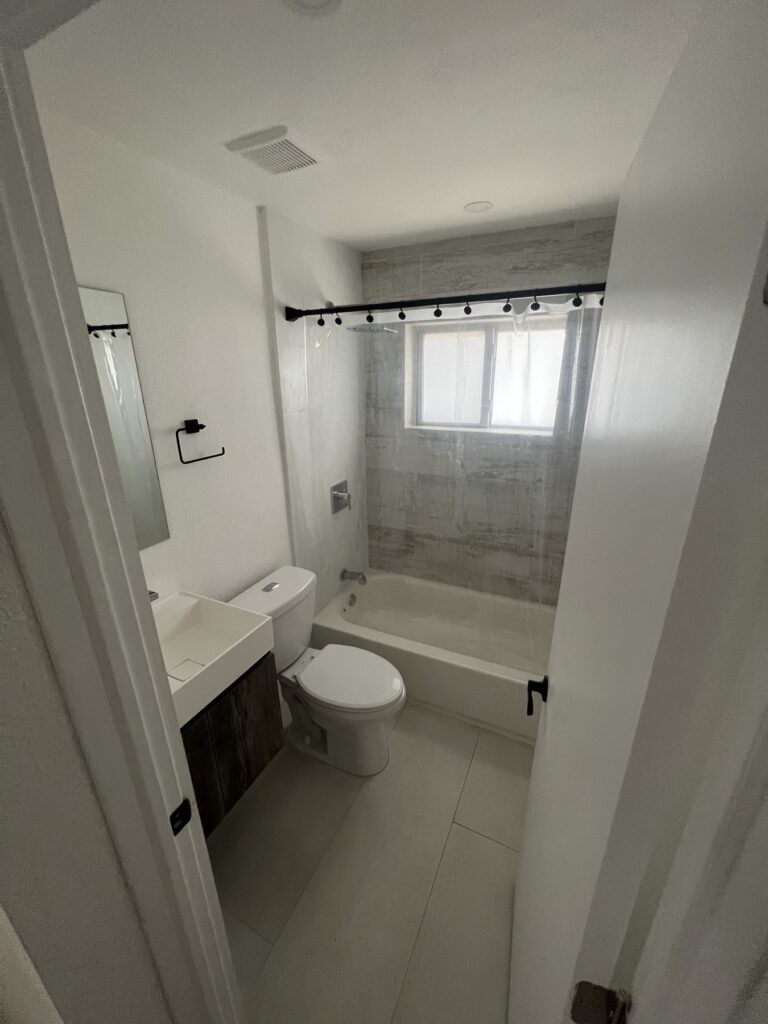
Miami bathroom renovation cost guides help homeowners plan before a remodel. Miami bathroom renovation cost is shaped by scope, product choices, and local permitting requirements. In this guide we break down typical line items, explain where budget can swing, and offer practical steps to get accurate quotes from local pros. We focus on tangible options for a full bathroom renovation in Miami-Dade County, so you can compare bids confidently and avoid surprises.
Cost overview
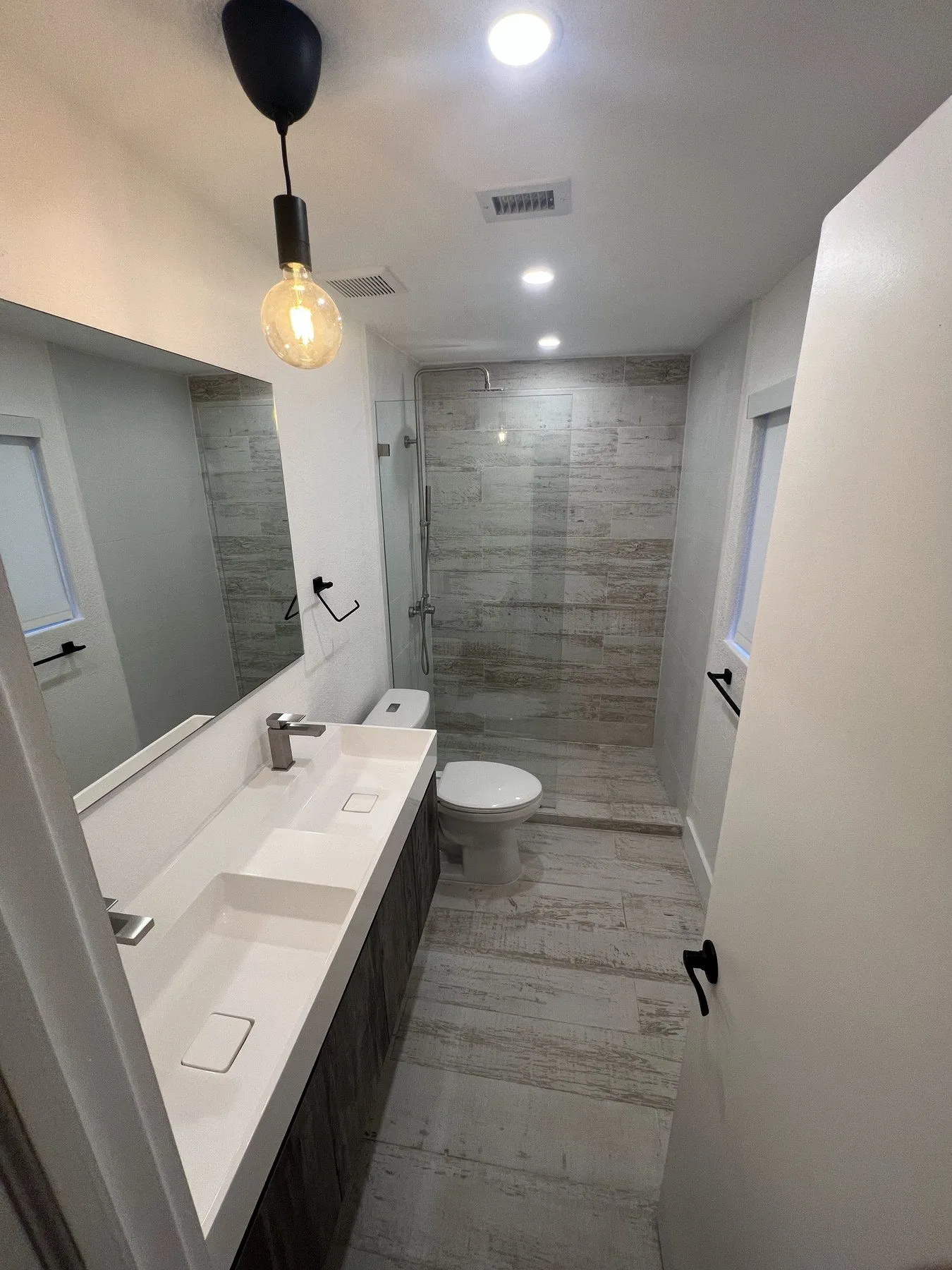
A full bathroom renovation in Miami typically involves several major cost categories: labor, materials and finishes, fixtures, and permitting. While prices vary, a reasonable approach is to allocate a separate budget for each category and keep a contingency fund for unforeseen issues like water damage or hidden structural needs. Local factors such as HOA requirements, permit turnaround times, and preferred vendor rates can influence the final numbers. This section provides a framework to estimate your project by service area and scope while avoiding surprises in the bidding process.
- Baseline project cost ranges vary by scope and finishes.
- Labor costs depend on trades and schedule availability.
- Permitting can add time and fees but ensures code compliance.
What affects the overall price
Scope (size of the project, existing plumbing/layout, and whether you are updating wiring or adding a vent fan), finishes (tile quality, vanity style, countertop material), and labor rates in Miami-Dade County all play a role. Changes mid-project, add-ons after demolition, and coordinating with other trades can raise costs. Always verify local permit requirements and HOA rules, if applicable.
Labor and trade costs
Labor is typically a major portion of the budget. In Miami, skilled tradespeople such as tile setters, plumbers, electricians, and carpenters charge based on hourly rates or project-based fees. Expect costs for demolition, framing adjustments, waterproofing, tile installation, cabinet install, plumbing rough-ins, fixture hookups, and final finishes. Scheduling across trades can affect efficiency and total labor time. Always request a written, itemized estimate and confirm labor warranties.
Tile and shower labor
Tile work is labor-intensive, especially in wet areas. Prices reflect tile size, pattern complexity, and the need for waterproofing and backer board. Custom showers raise costs due to niches, benches, curbs, and glass enclosures.
Plumbing and electrical labor
Plumbing costs cover rough-ins, fixture shutoffs, valve upgrades, and leak testing. Electrical work includes lighting, vent fans, GFCI outlets, and sometimes adding an outlet in the vanity area. Coordination between trades is essential to avoid delays.
Materials and finishes
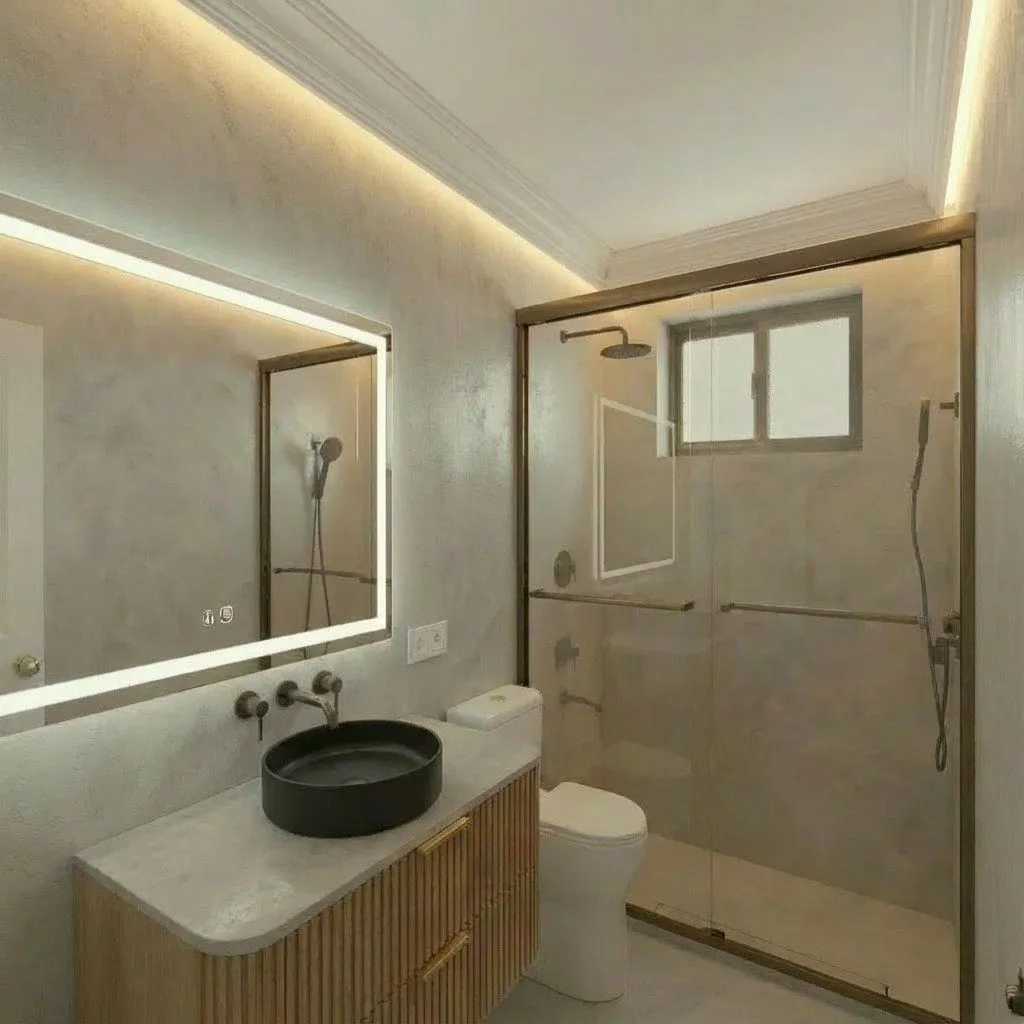
Choice of materials drives cost more than most single items. Common selections include ceramic or porcelain tile, porcelain slabs, glass shower enclosures, cultured marble or quartz countertops, and vanity cabinets. Higher-end fixtures, smart lighting, and textured or large-format tiles increase the price. We guide clients through durable, water-resistant options suitable for Florida humidity and coastal conditions, but final costs depend on product lines chosen.
- Durable, moisture-resistant materials are essential for Florida bathrooms.
- Expect higher costs for custom or premium finishes.
- Vendors often offer package deals combining fixtures and finishes.
Tile and surfaces
Floor and wall tile choices affect both aesthetics and budget. Large-format porcelain or ceramic tiles can reduce grout maintenance, while glass mosaics or natural stone increase cost and require more maintenance.
Vanities and cabinetry
Vanities range from ready-made units to custom designs. Custom cabinetry offers better space efficiency but adds to the budget. Countertops vary from laminate to quartz, impacting both price and durability.
Plumbing, electrical, and fixtures
Fixtures include sinks, faucets, a toilet, shower fixtures, and a ventilation fan. Plumbers install new P-traps, pipes, and shutoffs; electricians handle outlets, lighting, and fans. Water efficiency and code-compliant installations influence both cost and long-term savings. For coastal properties, consider corrosion-resistant hardware and finishes to withstand humidity and salt exposure.
- Choose water-efficient fixtures to save on water bills.
- Coordinate fixture dimensions with space and plumbing layout.
- Plan for electrical circuits near mirrors and vanity areas.
Shower and tub fixtures
Water sense fixtures can reduce ongoing costs but may have a higher upfront price. A frameless glass enclosure looks sleek but can add installation complexity and cost.
Ventilation and lighting
Adequate ventilation prevents moisture damage. Recessed lighting and vanity lighting improve usability but add upfront expense.
Demolition, site prep, and disposal
Demolition costs cover removal of old fixtures, tile removal, and disposal of debris. Site prep includes protecting adjacent areas, dust containment, and floor protection. Proper disposal respects local regulations and can affect haul-away fees and recycling opportunities. Expect some dust and disruption as walls are opened and plumbing runs updated.
- Containment reduces dust in living spaces.
- Disposal fees vary by material type and weight.
- Plan for temporary bathroom alternatives during renovation.
Waterproofing and preparation
Waterproofing membranes are essential in wet areas. Proper substrate preparation reduces the risk of moisture problems later and can influence long-term maintenance costs.
Permitting and inspections
Permitting in Miami-Dade County ensures code compliance for plumbing, electrical, and structural work. Costs vary by project scope and permit type. Processing times differ by municipality and workload. We recommend confirming whether your project requires inspections at multiple stages and scheduling them in advance to avoid delays.
- Obtain permits before heavy work begins to avoid penalties.
- Budget for permit-related delays and inspection windows.
- HOA rules can add requirements or approvals.
What to verify locally
Check whether your project needs neighboring review, HOA approvals, or environmental considerations. Verify the expected permit fees, inspection cadence, and whether impact fees apply to large remodels.
Budgeting strategies and next steps
A practical budget plan starts with a realistic baseline based on your bathroom size, desired finishes, and the level of customization. Get multiple written estimates from licensed local contractors and compare line-item details, not just totals. Build in a contingency—3% to 15% depending on complexity and unknowns. Ask about warranties and post-renovation support.
- Get three or more detailed bids for comparison.
- Review warranties and after-care services.
- Prepare a realistic timeline that accommodates permit processing.
Choosing options
Balance cost with durability and maintenance. Mid-range ceramic tiles, solid-surface countertops, and standard vanity hardware offer good value with reliable performance. If you want a wow factor, allocate a dedicated portion to premium finishes and a designer touch.
Next steps
Schedule on-site consultations with experienced Miami contractors, review their permits, warranty policies, and past project photos. Prepare a clear scope and ask for a detailed bid with exclusions. Once you receive bids, verify references and confirm lead times for materials.
Frequently asked questions
What is a realistic budget range for a full bathroom remodel in Miami?
Budgets vary widely based on scope and finishes. A mid-range full renovation typically covers labor, materials, and permits, with tile, vanity, fixtures, and labor decisions driving the total. Always include a contingency for unforeseen issues like plumbing or waterproofing. Verify local permit costs and HOA rules to refine estimates.
How long does permitting take for a bathroom renovation in Miami?
permitting timelines depend on project scope and jurisdiction. In Miami-Dade County, smaller updates may require quicker reviews, while full remodels with plumbing and electrical changes may need longer inspections and multiple approvals. Check with your local building department for current timelines and required documents before planning the schedule.
Should I upgrade fixtures or stick with mid-range options for cost control?
If budget is a priority, mid-range fixtures offer good value and reliability. Upgrading fixtures or finishes can add a noticeable impact on the total cost. Consider prioritizing durability and water efficiency in critical areas like showers and toilets to balance upfront cost with long-term savings.
Do I need to budget for demolition and disposal separately?
Yes. Demolition and disposal are separate line items that cover tile removal, old fixtures, and hauling away debris. These costs can vary based on material volume and disposal fees. Proper planning helps prevent schedule delays and budget overruns.
How can I ensure I get accurate quotes from Miami contractors?
Ask for written, itemized bids from licensed contractors, including labor, materials, permits, and disposal. Compare each bid's scope and exclusions, check warranties, review past projects, and verify license status. A site visit helps providers offer precise estimates and reduces surprises during construction.
What should I verify about permits with my contractor?
Confirm which permits are required for plumbing, electrical, and structural changes. Ask for permit numbers, expected process times, and inspection schedules. Ensure the contractor will pull permits and coordinate inspections, avoiding work done without approvals that could cause penalties or delays.
A well-planned Miami bathroom renovation cost breakdown helps you allocate funds wisely and avoid common overruns. We can help you tailor a plan that fits your goals, materials preferences, and local permit realities. Contact us to schedule a consultation, review your space, and receive a detailed, written estimate aligned with Miami-Dade requirements.