
Porcelain vs Ceramic Tile Miami: Humidity, Durability, Cost
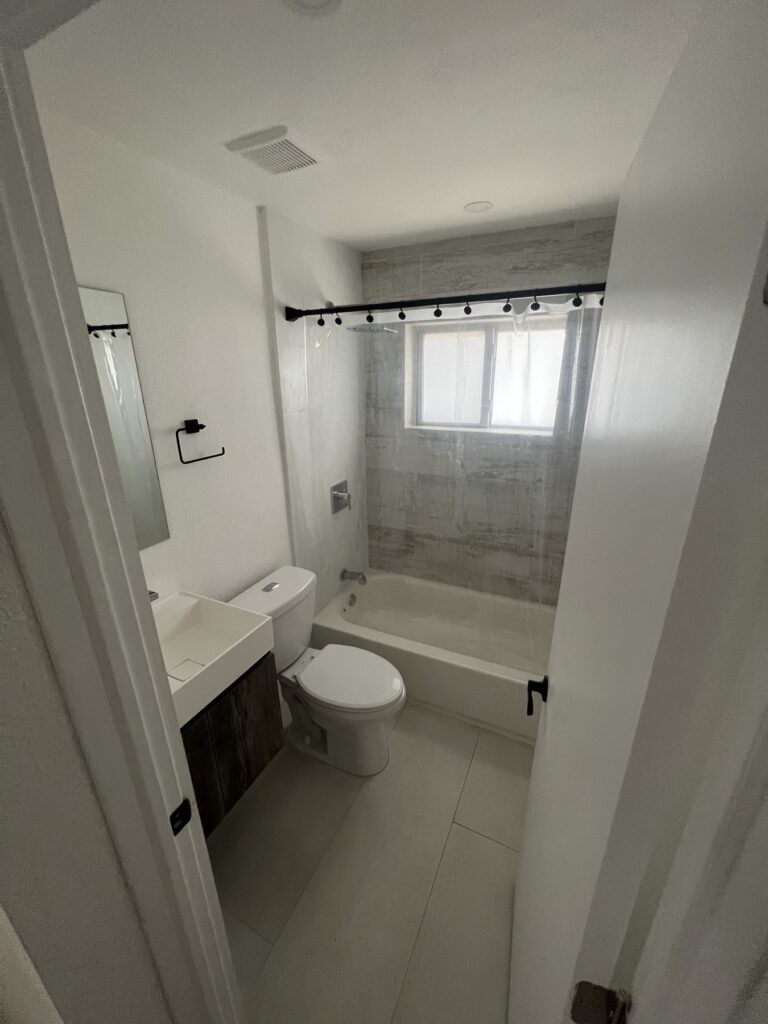
Porcelain vs ceramic tile Miami is a common decision for homeowners facing high humidity and coastal air. We compare moisture handling, maintenance, durability, and cost to help you choose tiles that perform well in Miami bathrooms and kitchens. Understanding these factors can save time and money on your remodeling project.
Humidity and moisture in Miami
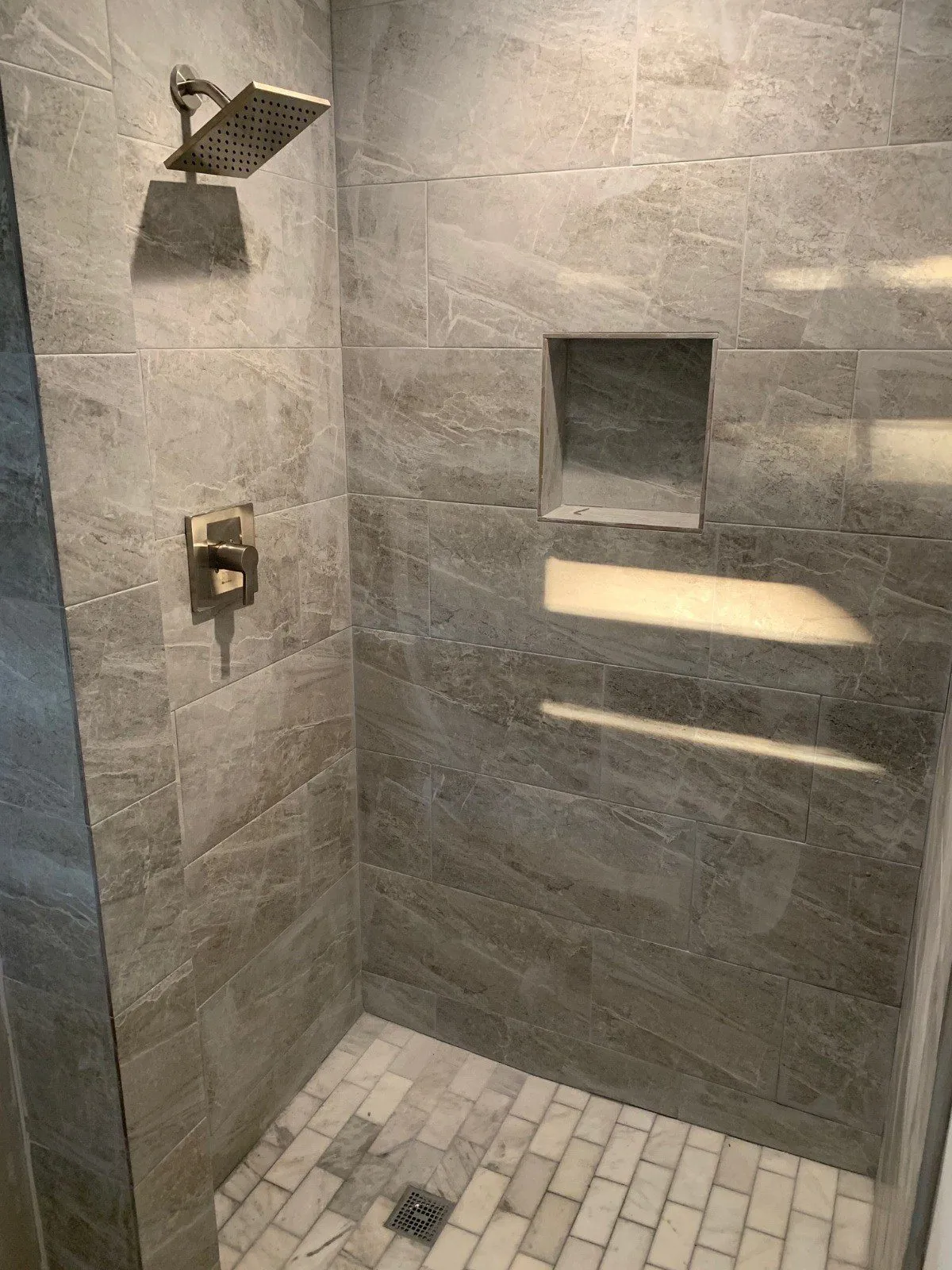
Miami’s climate brings high humidity and coastal air, which can affect tile performance over time. Porcelain tiles are denser and less porous than many ceramic options, which helps minimize water absorption and reduce the risk of mold or mildew behind the tile. This is particularly important in bathrooms, laundry rooms, and outdoor spaces adjacent to the ocean where moisture exposure is more frequent. Ceramic tiles, while beautiful and affordable, are typically more porous and can absorb more moisture if not properly sealed or if the grout is damaged. In humid environments, choosing a low-porosity tile and ensuring a high-quality, water-resistant grout system is essential. Our team often recommends porcelain for showers and steam-prone areas in Miami and using epoxy or cement-based grouts for enhanced moisture resistance. We also advise proper substrate preparation and sealing to maximize long-term performance in damp climates.
- Porcelain often performs better in high-humidity bathrooms
- Ceramic can be a cost-effective choice but may need maintenance in moist spaces
Porcelain’s moisture profile
Porcelain tiles are fired at higher temperatures and pressed to create a dense surface with very low porosity. This makes porcelain less susceptible to absorbing humidity from the air or water splashes, a valuable trait in Miami’s heat and humidity.
Ceramic’s moisture profile
Ceramic tiles are generally more porous than porcelain. They can perform well in dry areas but may require sealing and careful grout maintenance in humid environments to prevent moisture from seeping behind the tile.
Maintenance and cleaning expectations
Regular maintenance is key for both porcelain and ceramic tile in Miami homes. Porcelain’s dense surface resists staining and is easier to wipe clean, which reduces buildup from humidity-driven grime. Ceramic tiles often show dirt in the grout lines more readily and may require periodic sealing or epoxy grout in damp areas to maintain a clean, long-lasting look. Cleaning with pH-neutral cleaners and avoiding harsh chemicals helps protect both tile types. For areas like showers and backsplashes, sealing the grout and resealing as recommended by the manufacturer can extend life. In Miami, where humidity can accelerate mildew growth, a proactive cleaning routine and dry-touch after showers significantly improve results.
- Use non-abrasive cleaners
- Wipe surfaces dry after use to deter mildew
Grout considerations
Epoxy grout offers superior moisture resistance compared to cement-based grouts, making it a popular choice in Miami bathrooms.
Sealing needs
Ceramic tiles benefit from grout sealing and occasional tile sealing in some cases, while porcelain often requires less frequent sealing due to its low porosity.
Durability and wear in busy spaces
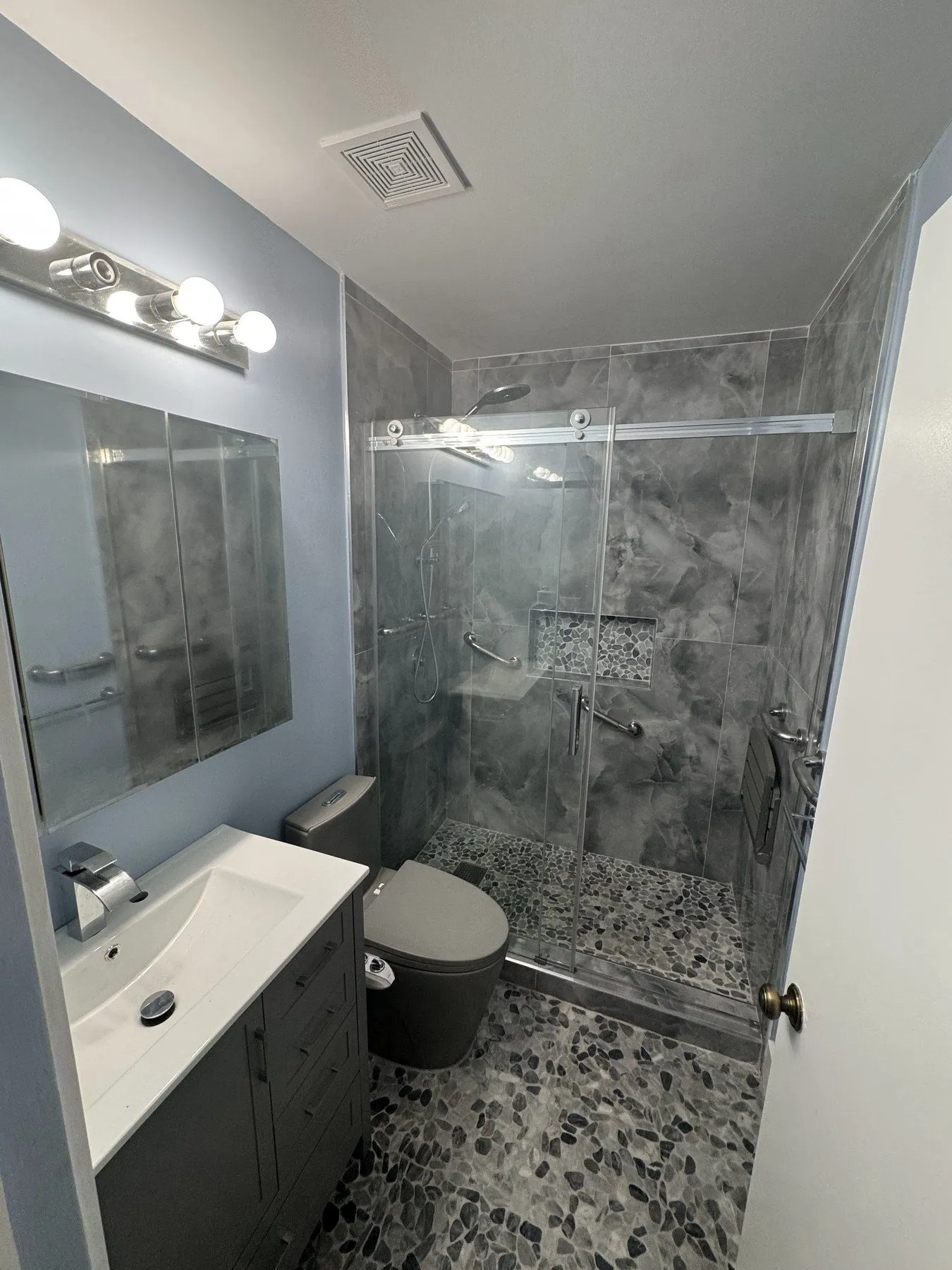
Durability is a major consideration for kitchens, foyers, and high-traffic bathrooms in Miami. Porcelain tiles typically have higher abrasion resistance (higher PEI rating) and are less prone to chipping and wear, making them a strong long-term investment in busy spaces. Ceramic tiles can be durable too but vary more by glaze, body composition, and thickness. For shower enclosures and flooring with heavy use, porcelain is often preferred in Miami due to its strength and moisture resistance. In areas with temperature fluctuations or direct sun exposure, both materials should be installed with proper underlayment and expansion gaps to prevent cracks. We guide clients to consider thickness (e.g., 10–12 mm for floors) and slip resistance (texture) for safety in humid Miami homes.
- Porcelain typically lasts longer in wet areas
- Ceramic can be a solid choice with proper sealing and care
Tile hardness and wear ratings
Porcelain commonly offers higher wear ratings, making it resilient for floors and high-traffic zones.
Surface finish impact
Glazes and surface textures influence scratch resistance and maintenance needs in both tile types.
Cost, installation, and value
Initial cost is usually lower for ceramic tiles, but long-term maintenance and replacement costs can shift the math in favor of porcelain, especially in humid Miami environments. Porcelain tiles tend to require heavier installation care due to density, but a skilled contractor can deliver excellent results with accurate substrate prep and proper grout. For bathrooms, kitchens, and outdoor areas in Miami, consider not just price per square foot but total cost of ownership: material cost, installation cost, sealing needs, and expected lifespan. We help clients compare options side-by-side, including potential tile sizes (large format vs small), patterns, and textures that complement Florida homes while meeting humidity and aesthetic goals.
- Factor long-term maintenance into cost
- Choose reputable installers for best results
Pricing models
Ceramic tiles may start at lower price points, while porcelain tiles with large formats can increase upfront costs but offer savings through durability.
Installation considerations
Porcelain requires precise cutting and a sturdy substrate; improper installation may lead to cracks or moisture issues in Miami's climate.
Frequently asked questions
Which tile is better for humidity in a Miami bathroom, porcelain or ceramic?
In Miami bathrooms, porcelain generally performs better against humidity due to its lower porosity and higher density. It resists moisture absorption and helps prevent mold behind tiles. Ceramic can work well with proper sealing, grout choices, and maintenance, but porcelain tends to be the safer long-term option in very humid spaces.
Is porcelain more durable than ceramic tile for Miami kitchens?
Porcelain is usually more durable for high-traffic Miami kitchens because of its higher wear rating and strength. It resists chipping and floor-level moisture better in busy areas. Ceramic can still be a durable choice if you select a strong glaze and thicker tile, but porcelain often provides more peace of mind in moisture-prone environments.
What about maintenance differences between porcelain and ceramic tile in Miami homes?
Maintenance is similar in that both require regular cleaning and grout care. Porcelain’s non-porous surface makes staining and mildew less likely, simplifying upkeep. Ceramic may require more attentive grout sealing and periodic resealing depending on the grout type and bathroom conditions, especially in humid rooms.
How do cost and long-term value compare for porcelain vs ceramic tile in Miami?
Ceramic tiles are usually cheaper upfront, but porcelain can offer better long-term value in Miami due to durability and lower moisture-related maintenance. When calculating total cost, consider installation, sealing, potential repairs, and tile longevity in the local climate.
What installation factors matter most for Miami humidity and tile choice?
Substrate quality, grout type (epoxy vs cement-based), sealing needs, and proper expansion gaps are essential. In Miami, choosing porcelain with a moisture-resistant grout and a skilled installer helps ensure a long-lasting installation that withstands humidity and coastal air.
Are large-format tiles a good idea for Miami bathrooms and kitchens?
Large-format porcelain tiles can reduce grout lines, which simplifies maintenance in humid environments. They also provide a modern look and fewer grout joints where moisture can collect. Ensure the substrate is perfectly flat and installation is performed by experienced professionals to avoid lippage and cracking.
Choosing between porcelain and ceramic tile for Miami spaces comes down to humidity exposure, maintenance willingness, and long-term value. We can help you weigh these factors and design beautiful, durable, and low-maintenance tile installations for bathrooms, kitchens, and other areas. Contact us to discuss your Miami project and get a tailored recommendation.